
When people think about estate planning, the first document that usually comes to mind is a will. A will is important, but a complete estate plan often involves more than deciding who receives your property after you die.
Estate planning can also address who manages your finances if you cannot, who makes health care decisions on your behalf, who should care for minor children, and how certain assets will transfer.
The documents you need depend on your family, assets, goals, and circumstances. However, several documents commonly form the foundation of a Minnesota estate plan.
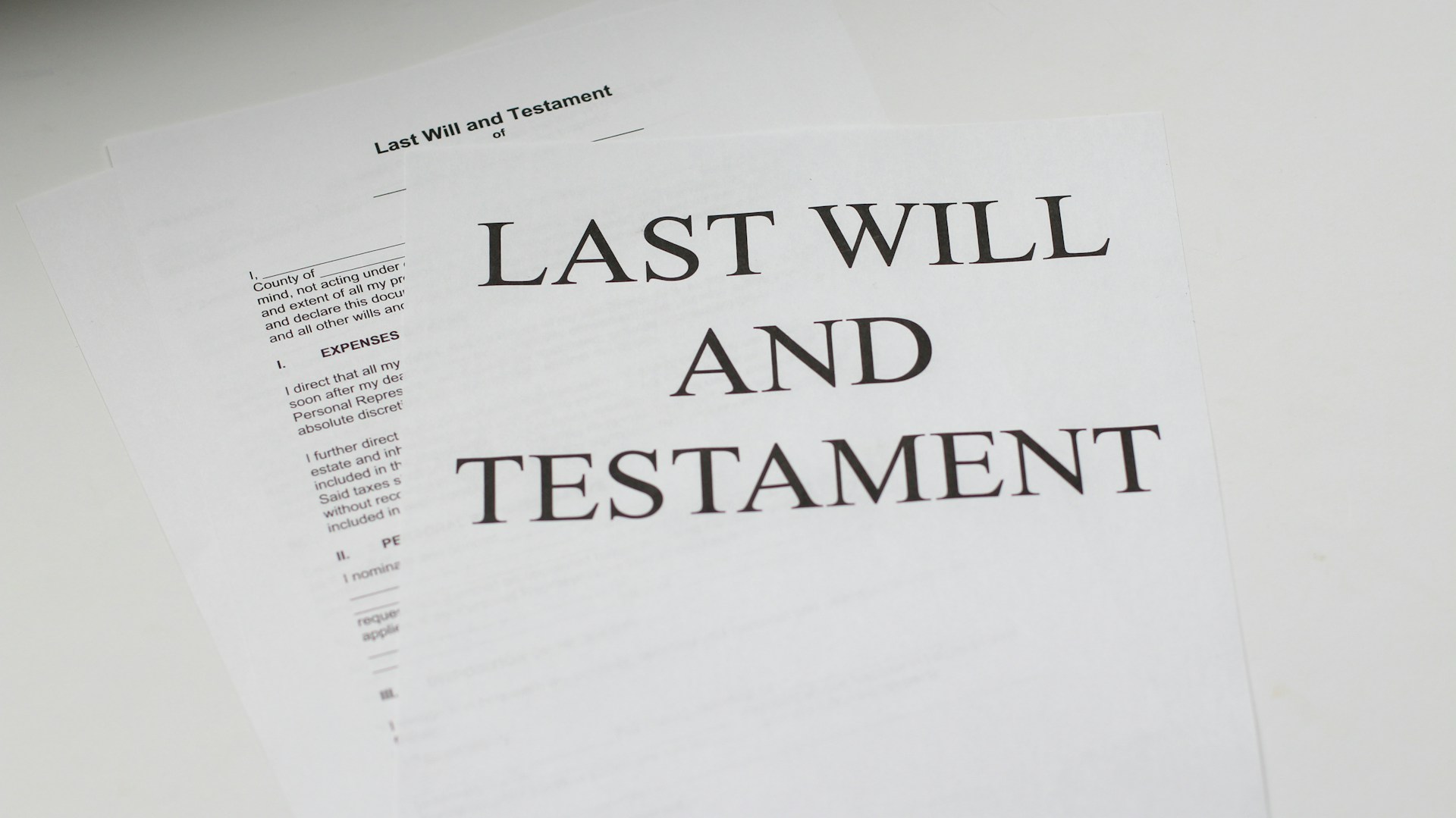
Last Will and Testament
A last will and testament establishes how you want property governed by your will to be distributed after your death. It also allows you to nominate a personal representative to administer your estate.
For parents of minor children, a will serves another important purpose: you can nominate the person you would want to serve as guardian if neither parent is able to care for the children.
Without a valid will, property subject to probate is distributed according to Minnesota’s intestacy laws. A will allows you to put your own wishes in writing rather than relying entirely on the state’s default rules.

Trust
Not every estate plan needs a trust. For some individuals and families, however, a trust can be a useful planning tool.
A trust allows a trustee to hold and manage assets for designated beneficiaries according to the terms established in the trust.
Depending on its structure, a trust may help:
- Control how and when beneficiaries receive assets
- Provide for minor children or other beneficiaries
- Plan for management of assets during incapacity
- Keep properly funded assets outside probate
- Address particular family or financial circumstances
A revocable living trust, for example, can allow you to retain control of assets during your lifetime while establishing how they should be managed or distributed later.
Whether a trust makes sense depends on what you are trying to accomplish. It is not something every estate plan automatically requires.

Financial Power of Attorney
Estate planning should also address what happens if you are alive but unable to manage your own affairs.
A financial power of attorney allows you to authorize another person to act on your behalf regarding specified financial and legal matters.
Depending on the authority you grant, that person may be able to pay bills, manage property, handle banking matters, deal with insurance or benefits, or complete other authorized financial transactions.
Choosing someone you trust and clearly establishing that person’s authority can help your family manage important matters if illness, injury, or incapacity prevents you from doing so yourself.

Minnesota Health Care Directive
A health care directive allows you to document your health care wishes and designate someone to make health care decisions for you if you cannot make or communicate them yourself.
Your directive can provide guidance regarding medical treatment and other health care preferences while naming a trusted health care agent to act when necessary.
This is not only a document for older adults. An unexpected illness or injury can occur at any age, making a health care directive an important part of many estate plans.

Beneficiary Designations
Some important pieces of an estate plan may not look like traditional estate planning documents.
Life insurance policies, retirement accounts, and certain financial accounts commonly allow you to name beneficiaries who receive those assets when you die.
Those beneficiary designations can control how assets pass regardless of what your will says. Someone who updates a will after a marriage, divorce, birth, or other major life change but forgets an old beneficiary designation can unintentionally create a very different result from the one they intended.
Reviewing beneficiary designations should therefore be part of the estate planning process.
Transfer-on-Death and Payable-on-Death Arrangements
Certain assets may also be structured to transfer directly to designated beneficiaries at death through transfer-on-death or payable-on-death arrangements.
Depending on the asset, these tools may simplify the transfer of property and keep it outside probate.
However, these designations should be coordinated with the rest of your estate plan. Naming beneficiaries on individual assets without considering the overall plan can create unintended consequences or an uneven distribution among beneficiaries.

Business Planning Documents
Business owners may need additional planning.
An ownership interest can raise questions about who will manage the company, whether ownership can pass to family members, whether other owners have purchase rights, and what happens following an owner’s death or incapacity.
Operating agreements, shareholder agreements, buy-sell agreements, succession plans, and other business documents may therefore need to be coordinated with the owner’s personal estate plan.
Make Sure Your Estate Planning Documents Work Together
Simply signing a collection of forms does not necessarily create an effective estate plan.
Your will, trust, powers of attorney, health care directive, beneficiary designations, asset ownership, and business planning documents should work together toward the same goals.
Klemp & Stanton works with individuals and families throughout the Twin Cities and Greater Minnesota to prepare wills, trusts, powers of attorney, health care directives, and other estate planning documents. We take the time to explain what each document does and help clients create a plan that makes sense for their circumstances.
Contact Klemp & Stanton at (651) 310-1400 to schedule a free initial consultation.
Frequently Asked Questions About Minnesota Estate Planning Documents
What are the basic documents in a Minnesota estate plan?
A basic estate plan commonly includes a will, financial power of attorney, and health care directive. Depending on your circumstances, a trust, beneficiary designations, transfer-on-death arrangements, or other documents may also be appropriate.
Do I need both a will and a trust in Minnesota?
Not everyone needs a trust. Wills and trusts serve different purposes, and some estate plans use both. Whether you need a trust depends on your assets, beneficiaries, goals, and circumstances.
Do I need an estate plan if I don’t have many assets?
Estate planning addresses more than property. Powers of attorney and health care directives can establish who may make important financial and health care decisions if you become unable to do so. Parents can also use a will to nominate a guardian for minor children.
Does having a will avoid probate in Minnesota?
No. Having a will does not itself prevent probate. Certain assets may pass outside probate through beneficiary designations, trusts, joint ownership, or transfer-on-death arrangements.
How often should I review my estate plan?
It is wise to review your plan periodically and following significant changes involving your family, finances, property, or business. A review can also identify outdated beneficiary designations or documents that no longer reflect your wishes.